Trying to decide where to buy in Lewes can feel like choosing between great options. You might be picturing a porch in the Historic District, a canalfront dock, or a low-maintenance home near Route 1. Each area offers a different lifestyle and set of practical tradeoffs. This guide walks you through the main neighborhoods, who they tend to fit, and the key checks to run before you make a move. Let’s dive in.
How Lewes neighborhoods differ
Lewes sits where the Delaware Bay meets the Atlantic, anchored by a charming historic core and miles of coastline. The town is a gateway to the trails and beaches of Cape Henlopen State Park, the canal and marinas, and the ferry connection to New Jersey via the Cape May–Lewes Ferry. In-town blocks feel walkable and historic. Waterfront and beach-adjacent areas lean into boating and dunes. Planned communities along Route 1 and in the outskirts deliver newer homes and amenities.
Because Lewes is coastal, your neighborhood choice also shapes your due diligence. Flood zones, elevation, historic district rules, short-term rental requirements, and utilities can vary from block to block. The summaries below help you focus your search and plan your checks.
Historic Downtown Lewes
Who it fits
You want a walkable, small-town feel with shops, restaurants, and galleries just outside your door. You value historic character, porches, and being close to waterfront parks and festivals.
Homes and vibe
You will find 18th and 19th century cottages, Victorian homes, and renovated historic properties on smaller lots. The streets around Second Street and Front Street are highly walkable to dining, museums, and canalfront greenspace. Inventory is limited, and preserved details and proximity to the bay often command premiums.
What to consider
- Many blocks fall within the Historic District, which can require design review for exterior changes. Start with the City of Lewes for guidance on boundaries and permits.
- Lower-lying areas near the waterfront may carry higher flood risk. Ask for a current Elevation Certificate and verify the FEMA flood zone.
- In-town homes typically have municipal services, which can simplify future updates.
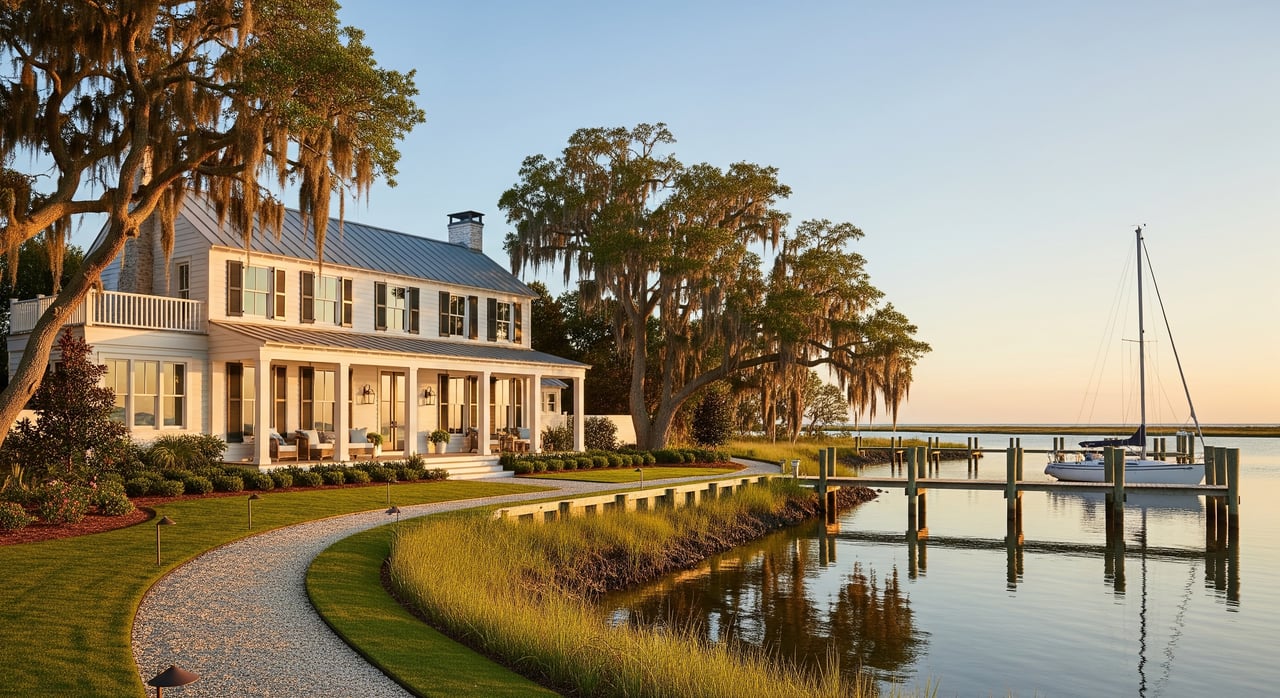
Canalfront and waterfront areas
Who it fits
You want boating, fishing, or wide water views, and you are comfortable with the extra steps and costs that come with waterfront ownership.
Homes and vibe
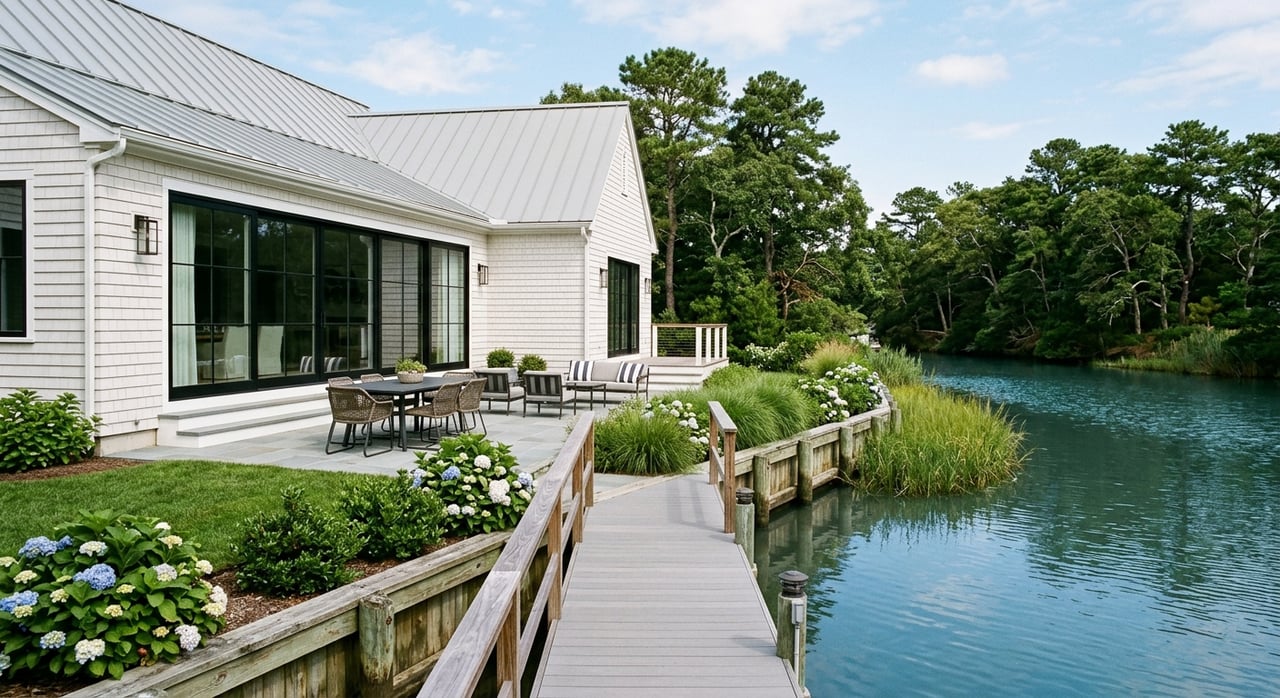
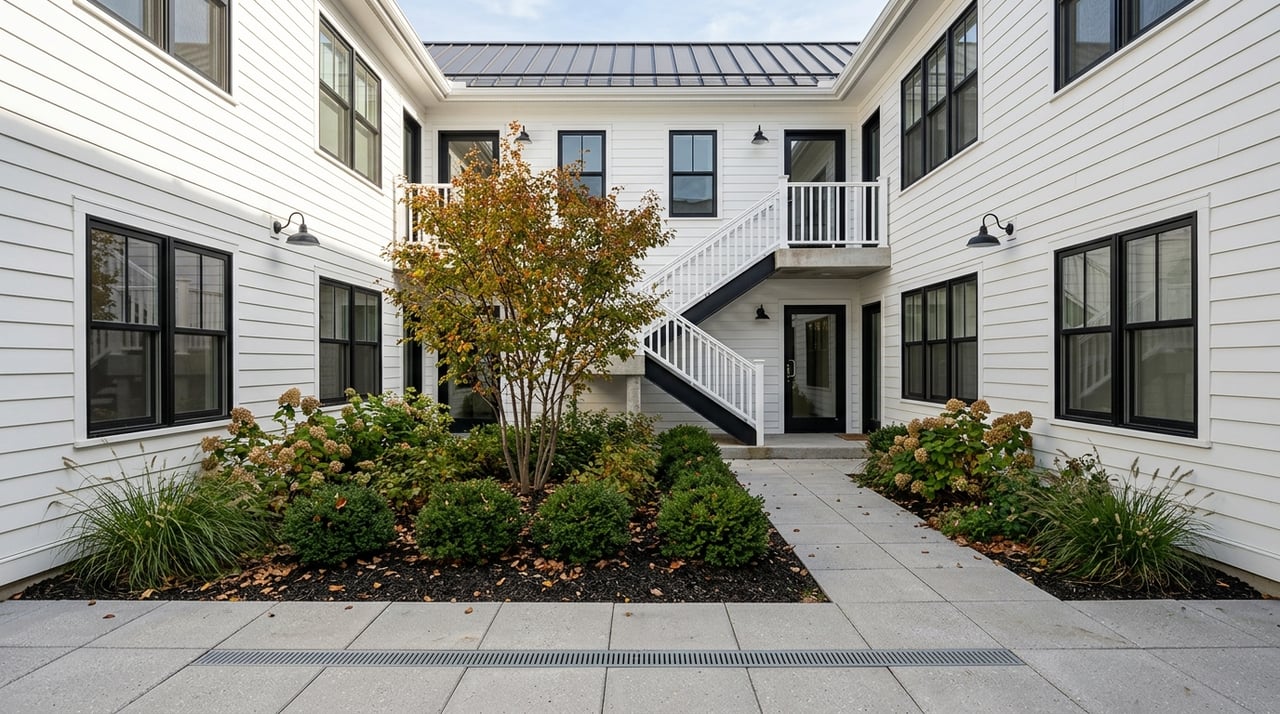
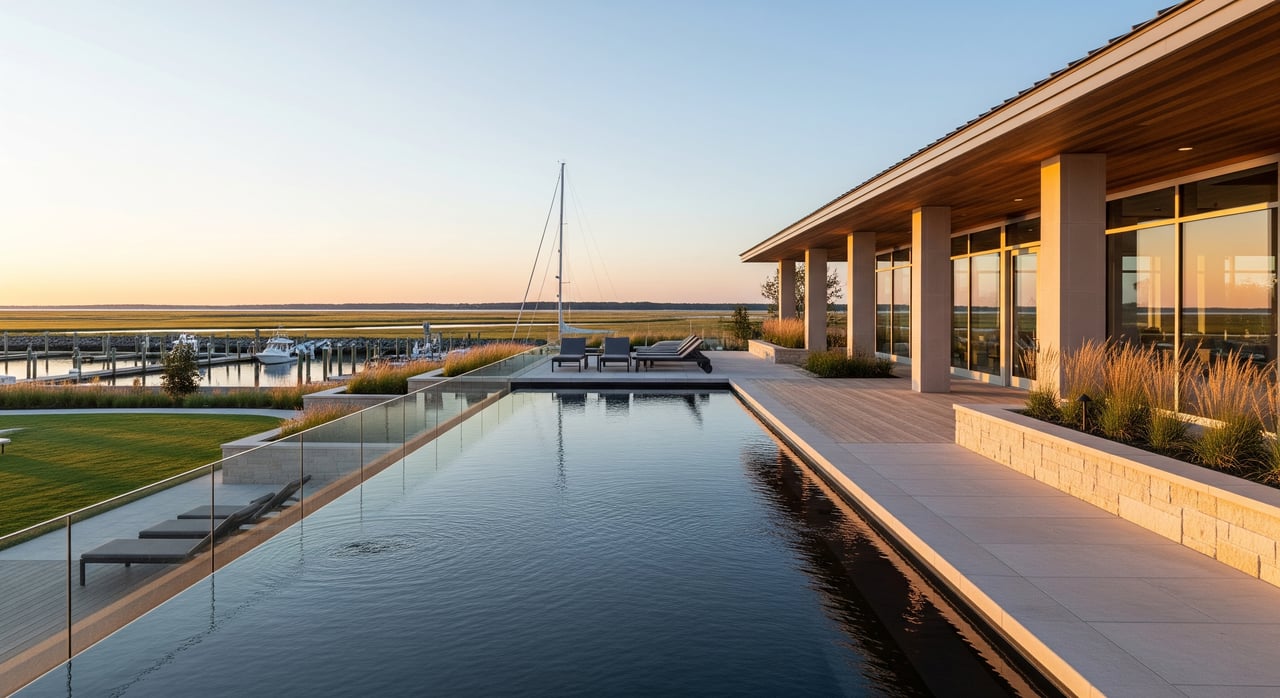
Options range from single-family homes and duplexes along the canal to newer townhomes in select developments. Some properties offer private docks or quick marina access. You will see a mix of primary and seasonal residents.
What to consider
- Water frontage, dockage, and elevation drive pricing. Verify parcel specifics early.
- Confirm the FEMA flood zone using the Flood Map Service Center, and discuss National Flood Insurance Program details with your lender and insurer.
- Check whether properties are on municipal sewer or a private system. Ask for recent insurance quotes that reflect waterfront risk.
Lewes Beach and the Cape Henlopen corridor
Who it fits
You want to be steps from the sand and trails, with summer activity and strong beach access shaping your lifestyle.
Homes and vibe
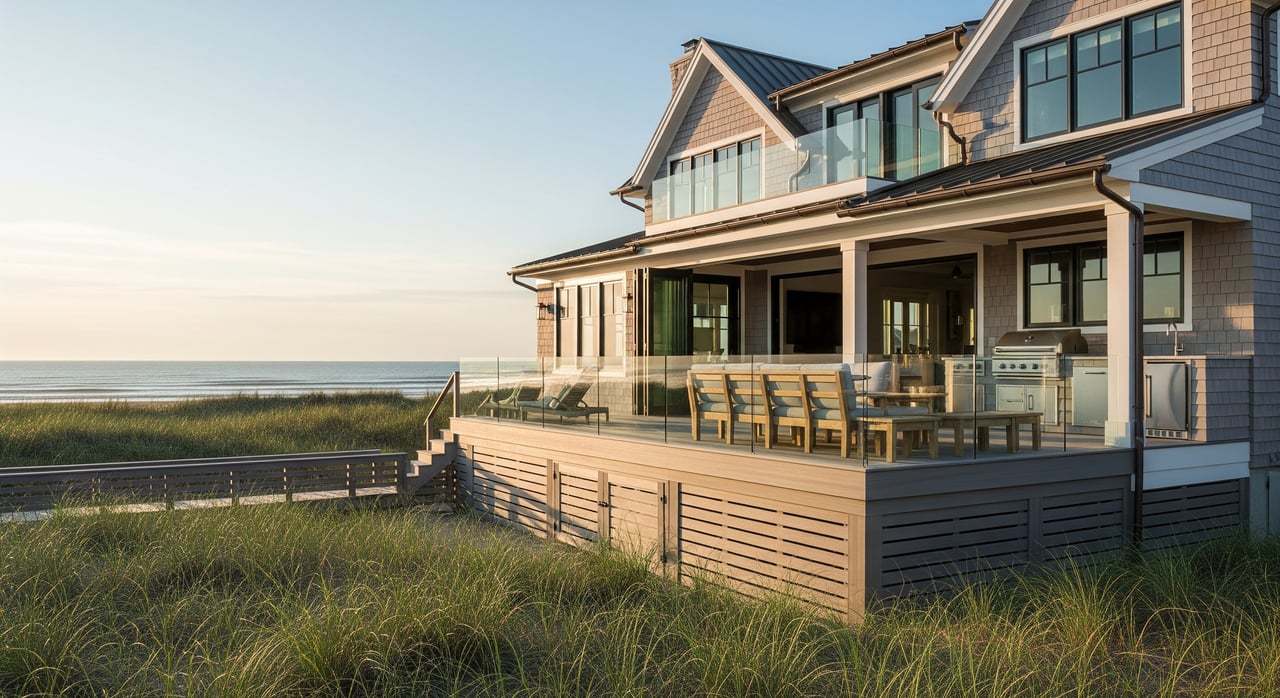
You will see classic beach cottages, multi-level vacation homes, and smaller condo buildings. Proximity to Cape Henlopen offers a direct connection to dunes, fishing, and bike paths. Seasonal energy is strongest here, with steady tourism in warmer months.
What to consider
- Distance to the shoreline and dune protection influence value and future resiliency.
- If you plan to rent seasonally, verify current short-term rental rules with the City of Lewes and Sussex County before you buy.
- Expect stricter building codes and elevation standards in high-hazard coastal zones. Budget time for permitting and engineering if you plan to add or rebuild.
Route 1 corridor and newer planned communities
Who it fits
You prefer newer construction, community amenities like pools and clubhouses, and convenient access to shopping and highways.
Homes and vibe
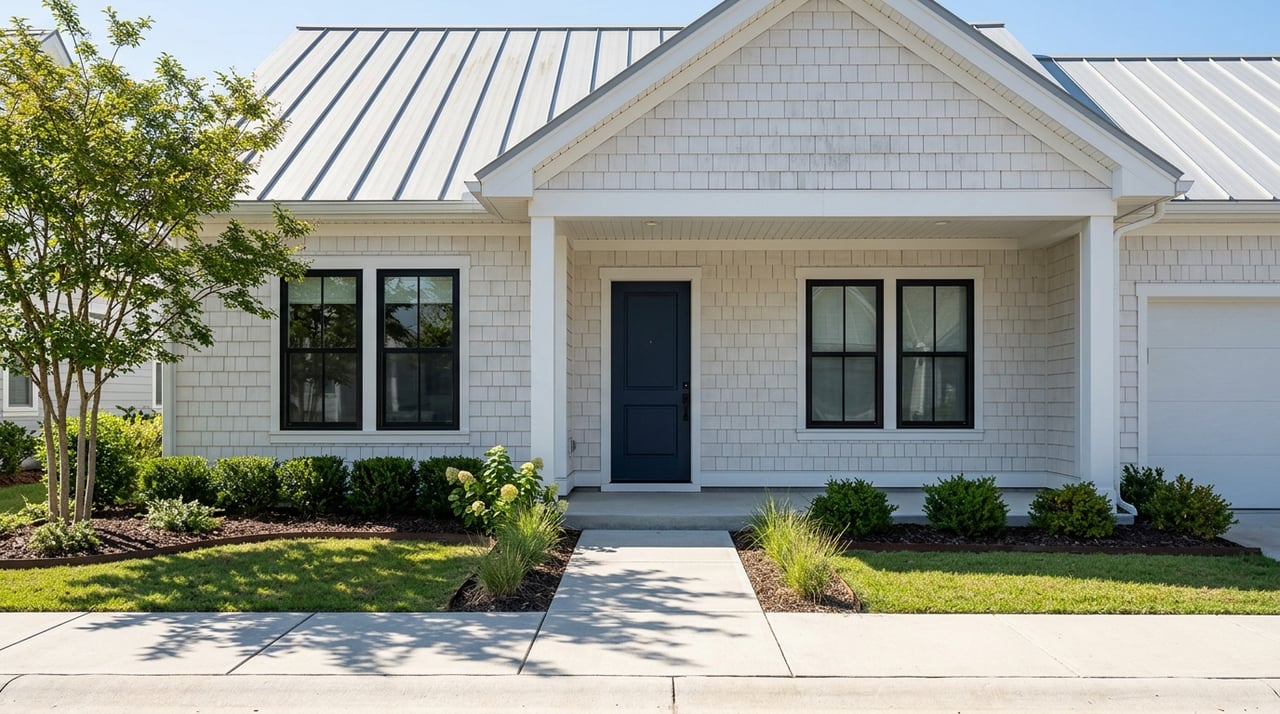
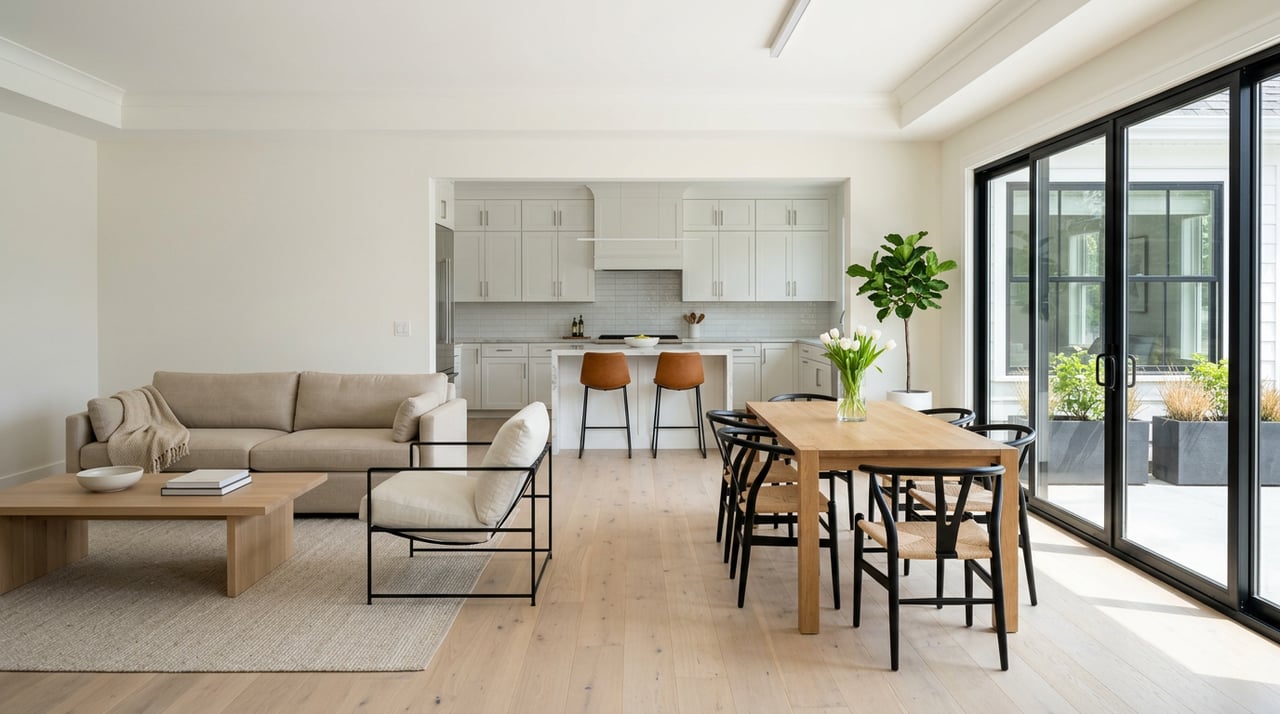
Early 2000s subdivisions and newer planned neighborhoods offer single-family homes and townhomes with modern layouts and more parking. Many include HOA amenities and landscaping services. Drive times to downtown and the beach are manageable, but these areas feel more car-oriented.
What to consider
- HOAs are common. Review fees, pet policies, rental rules, and exterior maintenance standards.
- Some neighborhoods are age-restricted. Confirm any 55+ requirements before touring.
- Proximity to Route 1 brings quick access to services, which some buyers prefer and others do not.
Outlying rural, subdivision, and 55+ communities
Who it fits
You want space, privacy, or a quieter setting with newer homes on larger lots. Active-adult communities may appeal if you value clubs, programming, and lower-maintenance living.
Homes and vibe
Outside municipal limits you will find modern single-family homes, small subdivisions, and age-restricted developments across the broader Sussex County area. Prices per square foot can be lower than beachfront or dock-front properties. You trade a longer drive to downtown for more space.
What to consider
- Septic systems are common. Confirm age, capacity, and inspection results, especially if you plan to expand.
- Plan for longer drive times to beach access and in-town dining.
- School district boundaries matter for families. Lewes is served by the Cape Henlopen School District; view district information on the Cape Henlopen School District site.
Your buyer checklist in Lewes
Use this short list to protect your investment and avoid surprises.
Flood zones, elevation, and insurance
- Pull the property’s FEMA flood zone from the Flood Map Service Center, and request a current Elevation Certificate for coastal homes.
- Review coverage and requirements under the National Flood Insurance Program. Ask an insurance broker about private flood options and long-term risk.
Short-term rentals and local rules
- Confirm current licensing, occupancy limits, and taxation with the City of Lewes and Sussex County.
- Review HOA covenants, which can limit or prohibit short-term rentals even if local rules allow them.
Utilities, sewer vs. septic, and service levels
- In-town areas typically connect to municipal sewer. Outlying neighborhoods often rely on septic systems. This affects renovations and additions.
- Ask the seller for a recent utility overview, including internet options and any private water systems.
Historic district and exterior changes
- If the property sits in the Historic District, factor design review and permit timelines into your plan. Start with the City of Lewes for boundaries and process.
Schools and attendance
- Lewes is served by the Cape Henlopen School District. Confirm attendance zones and any choice policies on the district’s site.
Insurance, maintenance, and coastal impacts
- Salt air can increase wear on metal roofs, exterior HVAC units, and finishes. Budget for proactive maintenance.
- Learn local evacuation routes and preparedness steps with the Delaware Emergency Management Agency.
- For long-term planning and resilience information, consult Delaware Coastal Programs.
Taxes, HOA fees, and total carry
- Delaware has no sales tax, but property taxes and HOA fees impact your monthly budget. Pull recent tax assessments and HOA disclosures through your agent and the Sussex County offices.
How to narrow your search
- Define your lifestyle priorities. Rank walkability, beach proximity, boating access, space, and amenities.
- Set your budget with carry costs in mind. Include insurance, taxes, HOA dues, and potential flood premiums.
- Pre-screen for rules. If you plan to rent seasonally or renovate, verify short-term rental and historic district requirements upfront.
- Pressure test the location. Drive the routes to the beach, grocery stores, and the ferry at different times of day.
- Bring in local expertise. A knowledgeable Lewes agent can flag flood, utility, and permitting issues early and connect you with inspectors, insurance brokers, and local contractors.
Ready to explore specific blocks and communities that fit your wish list. Connect with Val Ellenberger for neighborhood-by-neighborhood guidance, on-the-ground property tours, and a smooth plan from offer to keys.
FAQs
What are the most walkable areas of Lewes for dining and shopping?
- The streets around Second Street and Front Street in Historic Downtown offer the highest walkability to restaurants, shops, and canalfront parks.
Where can I find waterfront or canalfront homes in Lewes?
- Look along the Lewes–Rehoboth Canal and bayfront areas, where homes may offer docks or marina access, with premiums for frontage, elevation, and views.
How do flood zones affect buying a Lewes beach or waterfront home?
- Your lender may require flood insurance based on the FEMA zone, and elevation drives cost. Verify the zone and request an Elevation Certificate before you make an offer.
Can I run a short-term rental in Lewes if I buy a beach house?
- Possibly, but you must confirm current rules with the City of Lewes and Sussex County, and check HOA covenants that may restrict rentals.
Which parts of Lewes usually have septic systems instead of municipal sewer?
- In-town areas typically connect to municipal sewer, while many outlying subdivisions and rural properties rely on septic systems.
Is Lewes served by a single public school district?
- Yes. The area is served by the Cape Henlopen School District. Verify attendance zones and policies directly with the district.
What coastal maintenance should I plan for as a new Lewes homeowner?
- Expect more frequent upkeep for metal, exterior hardware, and HVAC due to salt air. Budget for routine inspections and storm preparedness each season.