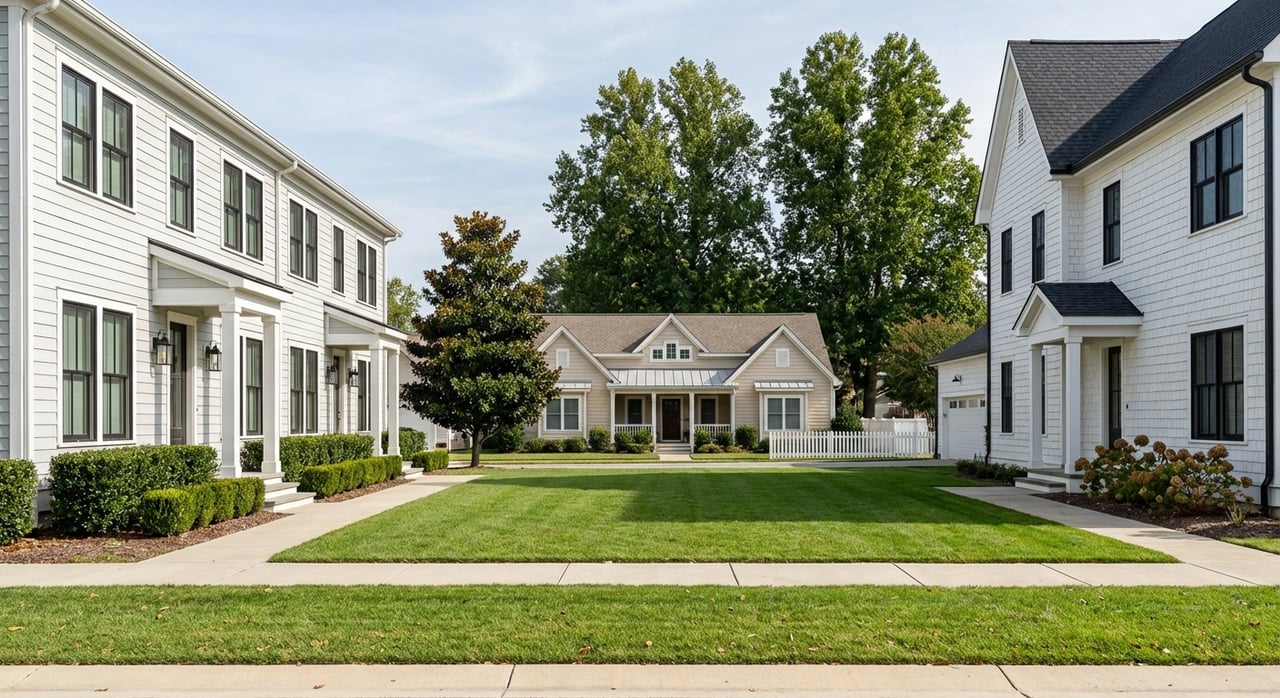
Buying a condo in Rehoboth Beach can feel simple at first glance. You find a great location, compare prices, check the monthly HOA fee, and imagine easy coastal living. But condo ownership comes with a different set of rules, costs, and responsibilities than owning a single-family home, and understanding those details can help you make a more confident decision. If you are considering a condo here, this guide will walk you through how ownership works, what HOA fees really cover, and what to review before you buy. Let’s dive in.
How Condo Ownership Works in Delaware
In Delaware, a condo unit is considered real property, along with your undivided interest in the common elements of the community. That means when you buy a condo in Rehoboth Beach, you are not just buying the interior of your unit. You are also buying into shared parts of the property, which may include hallways, roofs, pools, parking areas, elevators, and exterior spaces, depending on the community’s structure.
The way a condo operates is controlled by its governing documents. Under the Delaware Uniform Common Interest Ownership Act, the executive board acts for the association, while the declaration, bylaws, and rules govern everyday issues like pets, parking, renovations, conduct, and rentals. In short, condo living often offers convenience, but it also means agreeing to a shared framework for how the property is used and maintained.
Why Condo Documents Matter
Not all condos in Rehoboth Beach work the same way. The recorded declaration and bylaws, along with any amendments, spell out what is included with ownership and who handles different maintenance obligations.
For example, Delaware law recognizes limited common elements, which are areas reserved for fewer than all owners. According to Delaware condo law, these areas can include items such as balconies, parking spaces, or certain building systems, and the declaration may assign maintenance and repair costs to the affected owner or owners. That is why you should never assume that a balcony, exterior door, or parking area is covered the same way in every building.
What HOA Fees Usually Cover
One of the biggest questions buyers ask is simple: why do HOA fees vary so much from one Rehoboth Beach condo to another?
The short answer is that fees usually reflect what the association owns, what it maintains, and how many shared systems and amenities the community supports. In some buildings, the HOA may cover basics like exterior maintenance, common-area insurance, water, sewer, trash, and management. In others, dues may also include internet, cable, pool care, snow removal, parking, and reserve contributions for future repairs.
The most useful way to read an HOA fee is not as a standalone number, but as a package of services and long-term obligations. A lower monthly fee may sound appealing, but it does not always mean a lower overall cost of ownership if reserves are weak or major repairs are looming.
Why Fees Vary in Rehoboth Beach
Delaware requires associations to adopt a budget at least annually and maintain a repair-and-replacement reserve for common-element repairs and replacements. Under state reserve requirements, associations must prepare or update a reserve study within the last five years, and reserve funding minimums increase when the community maintains more shared systems.
That matters in Rehoboth Beach because condo buildings can vary widely. A smaller community with fewer shared components may have lower reserve requirements than a larger building with elevators, pools, exterior systems, parking structures, or waterfront features. As a result, a higher HOA fee is not always a red flag. In some cases, it may reflect more complete maintenance coverage and healthier reserve planning.
Reserves and Special Assessments
If you are comparing condos, reserve funding deserves your attention. Reserves are the funds set aside for future repair and replacement of common elements, and Delaware requires those funds to be used only for that purpose.
Special assessments are different. They are separate charges for unexpected or nonrecurring expenses. According to Delaware law, unpaid assessments can become a lien, and associations may have collection and foreclosure rights in limited situations.
From a financing standpoint, this issue matters too. The research shows that Fannie Mae treats reserve funding and special assessments as important underwriting factors, and a special assessment does not replace reserve requirements. For you as a buyer, that means the financial health of the association can affect both your monthly carrying costs and your mortgage path.
What to Review Before You Buy
Before you move forward with a Rehoboth Beach condo purchase, ask for the full document package and review it carefully. Delaware’s resale-certificate rules require disclosure of several key items, and those details can reveal much more than a listing sheet ever will.
A strong due diligence file should include:
- The declaration and all amendments
- Bylaws and current rules
- The current budget
- The reserve study
- Balance sheet and income-and-expense statement
- Insurance summary
- Pending lawsuits or judgments, if any
- Fees due at settlement
- Delinquency information
- Approved capital expenditures
- The most recent board minutes
Under Delaware resale-certificate requirements, buyers can review information such as periodic assessments, unpaid special assessments, reserve balances, insurance coverage, approved capital projects, and recent board minutes. These documents can help you spot whether dues have been stable, whether delinquencies are rising, and whether significant repairs may be ahead.
Why Board Minutes and Financials Matter
Board minutes often give you a clearer picture than glossy marketing remarks. They can show whether the association has been discussing roof replacement, water intrusion, insurance changes, rule enforcement, or upcoming capital work.
Delaware also requires associations to keep detailed financial records, minutes, tax returns, officer lists, and the most recent reserve study, with owner inspection rights available for a proper purpose and advance written notice. As explained in Delaware association record rules, these records can be especially helpful when you are comparing two similar condo options in Rehoboth Beach.
Insurance Responsibilities to Confirm
Condo buyers sometimes assume the HOA’s insurance covers everything. That is not usually the case.
Delaware requires associations to maintain property, liability, and fidelity insurance on the common elements to the extent reasonably available, as outlined in state condo insurance provisions. Even so, you should still plan for your own condo insurance policy and confirm which items fall under unit-owner responsibility versus association responsibility. The governing documents are the best place to verify that split.
Rental Rules in Rehoboth Beach
If you are buying a second home or a rental-capable condo, city rules are just as important as HOA rules. Your intended use needs to fit both.
In Rehoboth Beach, the city requires a residential rental license, a 24/7 local contact person, and an overnight occupancy limit of two people per bedroom plus two additional occupants, with children under age 6 excluded. The city also imposes a 7% gross receipts tax on rent for covered accommodations, due by February 15 for the prior calendar year, according to the City of Rehoboth Beach rental regulations.
Beyond city requirements, each condo association may also set its own rental restrictions. That can include minimum lease terms, registration requirements, caps, guest rules, or other operating standards. If rental flexibility is part of your plan, that review should happen early.
Questions to Ask Before Choosing a Condo
When you compare condo options in Rehoboth Beach, these questions can help you look past the purchase price:
- What exactly does the HOA fee cover?
- How much is being contributed to reserves?
- Has the association had any recent or planned special assessments?
- What are the rules for rentals, pets, parking, and renovations?
- Are there major capital projects under discussion?
- What does the association insure, and what will you need to insure yourself?
- Are there signs of rising delinquencies or financial strain?
- Do the building’s rules align with how you plan to use the property?
The National Association of Realtors consumer guide to condo ownership reinforces this same approach: review the governing documents, understand the finances, and ask direct questions about reserves, fees, and special assessments.
The Bottom Line for Rehoboth Beach Buyers
In Rehoboth Beach, condo ownership can be a great fit if you want low-maintenance living, a second home near the coast, or a property that may support your rental goals. The key is understanding that every building has its own financial structure, maintenance responsibilities, and operating rules.
The monthly HOA fee is only part of the story. What really matters is what the association maintains, how well it plans for repairs, how the documents assign responsibility, and whether the condo matches the way you want to live or use the property. If you take the time to review the documents closely, you can make a smarter decision with fewer surprises later.
If you are weighing condo options in Rehoboth Beach and want a local guide to help you compare buildings, documents, and lifestyle fit, connect with Val Ellenberger. She offers thoughtful, high-touch support for buyers across Delaware’s coast.
FAQs
What does condo ownership include in Rehoboth Beach?
- In Delaware, condo ownership generally includes your unit plus an undivided interest in the common elements, with rights and responsibilities defined by the declaration, bylaws, and association rules.
What do HOA fees usually cover in a Rehoboth Beach condo?
- HOA fees may cover items such as exterior maintenance, common-area insurance, management, utilities like water or sewer, trash, snow removal, amenities, and reserve contributions, depending on the community.
Why are some Rehoboth Beach condo HOA fees much higher than others?
- Fees often rise when the association maintains more shared systems or amenities, such as roofs, windows, elevators, pools, parking areas, docks, or club facilities, and when reserves are funded more fully.
Can a Rehoboth Beach condo association charge special assessments?
- Yes, a condo association can charge special assessments for unexpected or nonrecurring expenses, separate from the regular annual budget.
What documents should you review before buying a condo in Rehoboth Beach?
- You should review the declaration, bylaws, rules, budget, reserve study, financial statements, insurance summary, board minutes, delinquency information, capital expenditures, and any pending legal matters disclosed through the resale certificate.
Do Rehoboth Beach condo buyers need their own insurance policy?
- In most cases, yes. The association typically insures common elements, but you should confirm what the HOA covers and what falls under your responsibility inside or around the unit.
Are there rental rules for condos in Rehoboth Beach?
- Yes, rental use may be affected by both city rules and condo association rules, including licensing, local contact requirements, occupancy limits, taxes, and community-specific leasing restrictions.