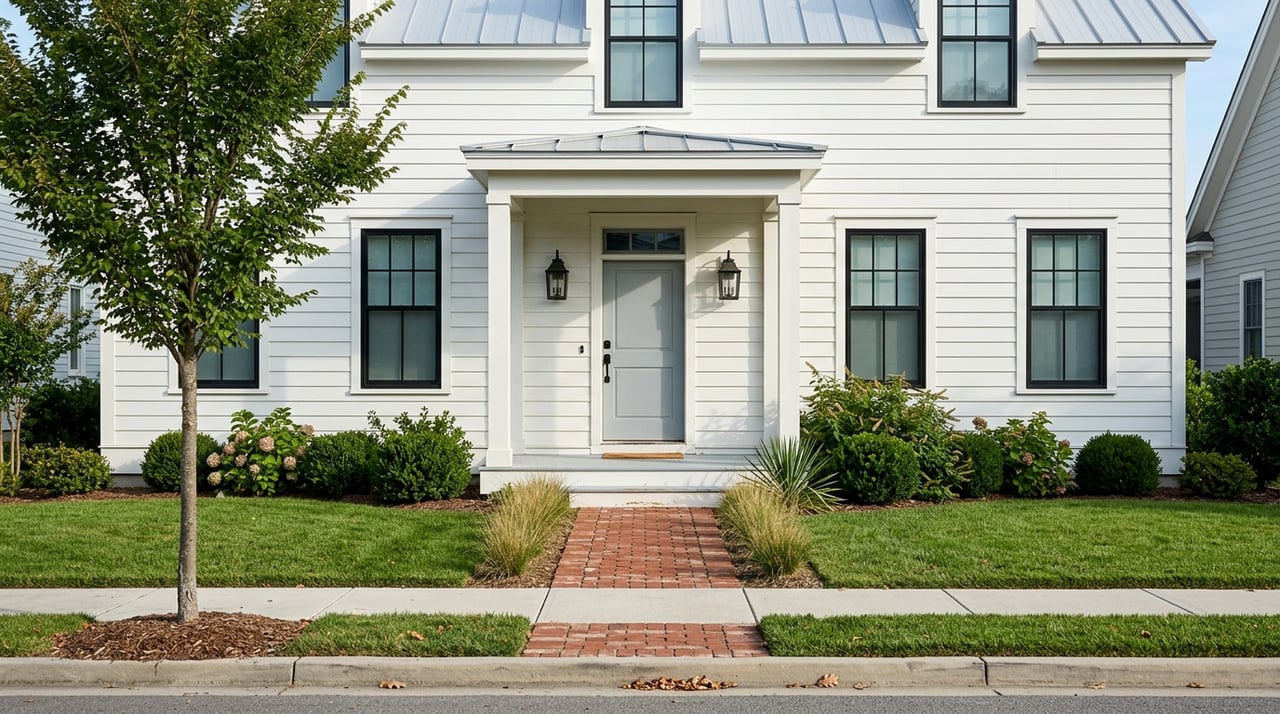
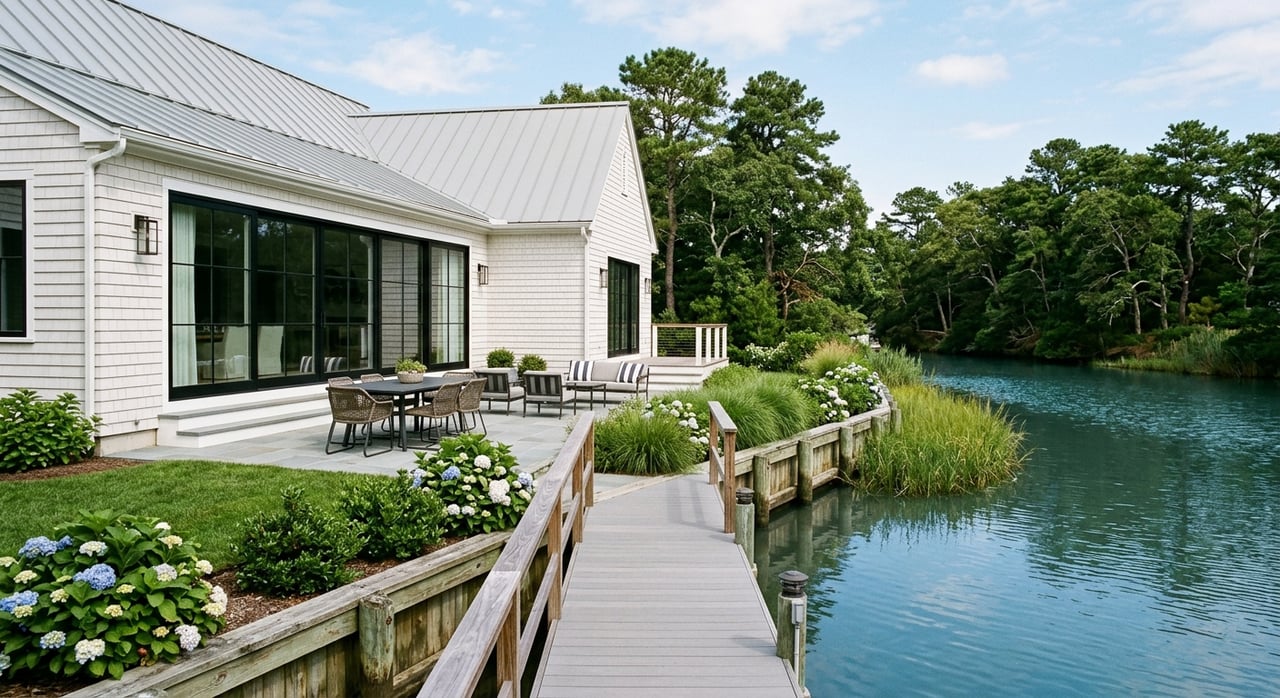
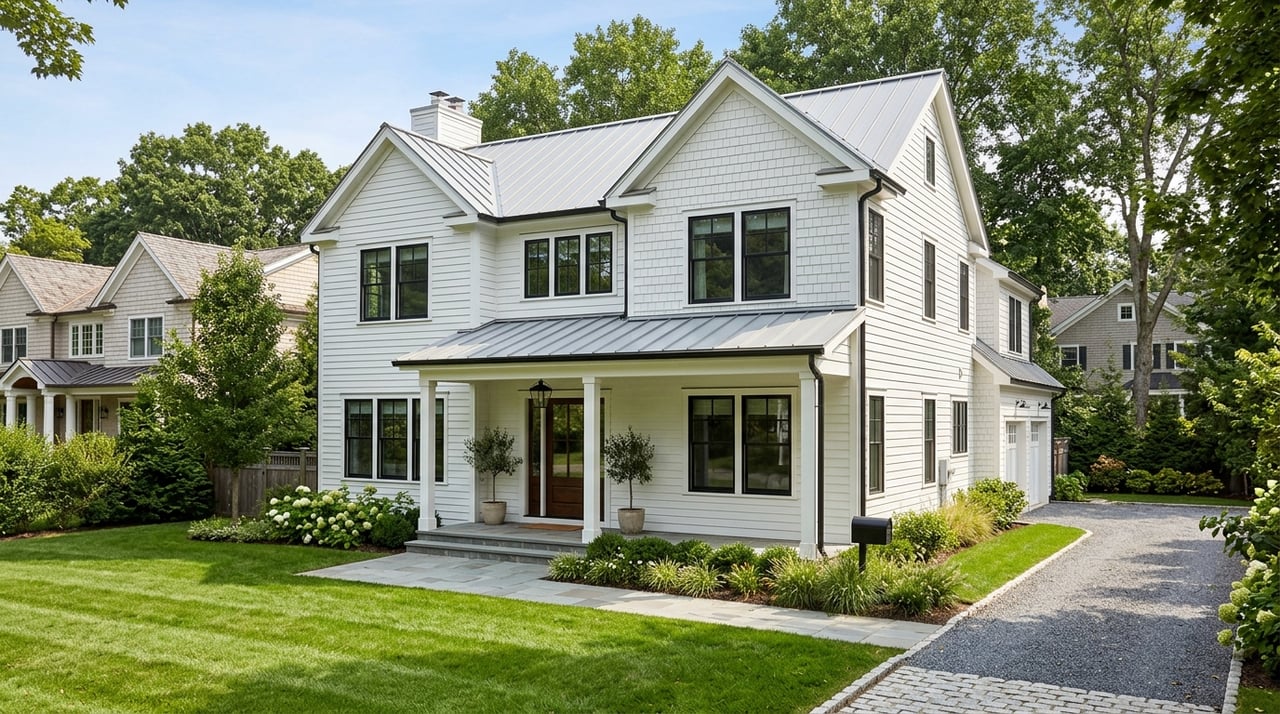
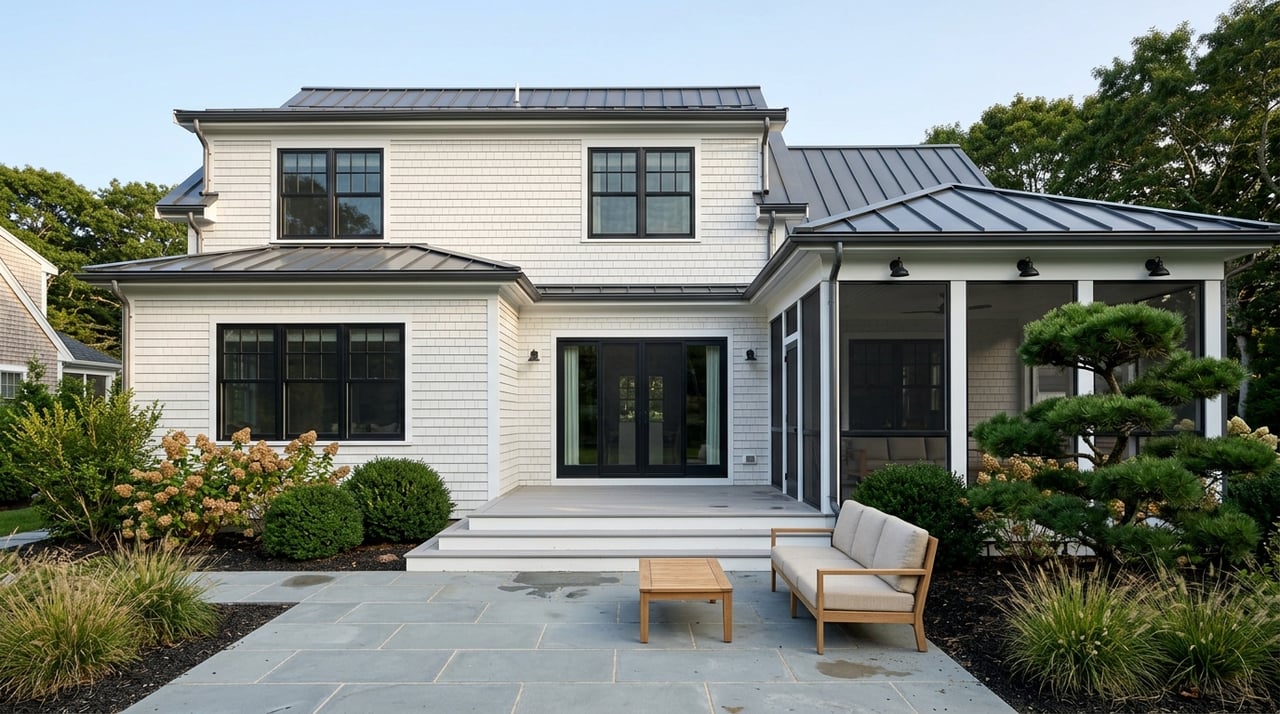
Are you torn between a condo and a townhome in Rehoboth Beach? That is a common question here, especially when you are balancing beach access, upkeep, parking, and how often you plan to use the property. In a seasonal coastal market with heavy summer traffic and distinct community rules, the right fit often comes down to how you want to live day to day. Let’s break down what matters most so you can compare your options with confidence.
Why this choice matters in Rehoboth Beach
Rehoboth Beach is a small city with a very different feel in summer than it has the rest of the year. The city budget reports 1,256 full-time residents in 2024, more than 25,000 seasonal residents in 2023, and over 3.5 million annual visitors. That means your ownership experience is shaped not just by the home itself, but also by how the city functions during peak season.
Parking is a big part of that equation. The city says metered parking runs from May 15 through September 15 on Rehoboth Avenue, nearby streets, and behind the Fire Hall, while residential and non-metered areas require permits. If you expect easy summer arrivals for yourself or guests, the difference between assigned parking, a driveway, or garage space can matter just as much as square footage.
Boardwalk rules also affect everyday lifestyle. During peak season, bicycles are allowed on the boardwalk only from 5 a.m. to 10 a.m., dogs are limited by season, and motorized vehicles are prohibited. If your ideal routine includes early bike rides, off-season dog walks, or quick beach access, it helps to choose a property that supports that routine.
Condo versus townhome in Delaware
Before you compare layouts and locations, it helps to understand the legal structure behind the property type. In Delaware, a condominium is a common-interest community where separate portions are individually owned and the rest is commonly owned by the unit owners. In general, the association is responsible for common elements, and the owner is responsible for the unit unless the declaration says otherwise.
A planned community, which often includes townhomes, is defined under Delaware law as a common-interest community that is not a condominium or cooperative. In that setup, the details of what the association maintains versus what the owner maintains depend on the governing documents and what is considered association-owned common property. That is why the label alone does not tell you enough.
Each unit in a condominium or planned community is also a separate parcel of real estate that is separately taxed and assessed. Sussex County notes that county taxes are separate from city or town taxes, so you should look at county, municipal, and HOA costs as separate parts of your budget. When you compare a condo and a townhome, monthly dues are only one piece of the full cost picture.
Why the documents matter more than the label
In Rehoboth Beach, two townhomes can come with very different owner responsibilities. One may include exterior maintenance through the association, while another may place more of that work on you. The same is true for condos, where parking, pet policies, rental rules, and maintenance obligations can vary widely from one building or community to another.
That is why the declaration, bylaws, and rules are essential. Delaware law gives the community structure legal meaning, but the documents tell you how that structure works in real life. If you assume all condos are low-maintenance or all townhomes offer more freedom, you could be surprised later.
When a condo may be the better fit
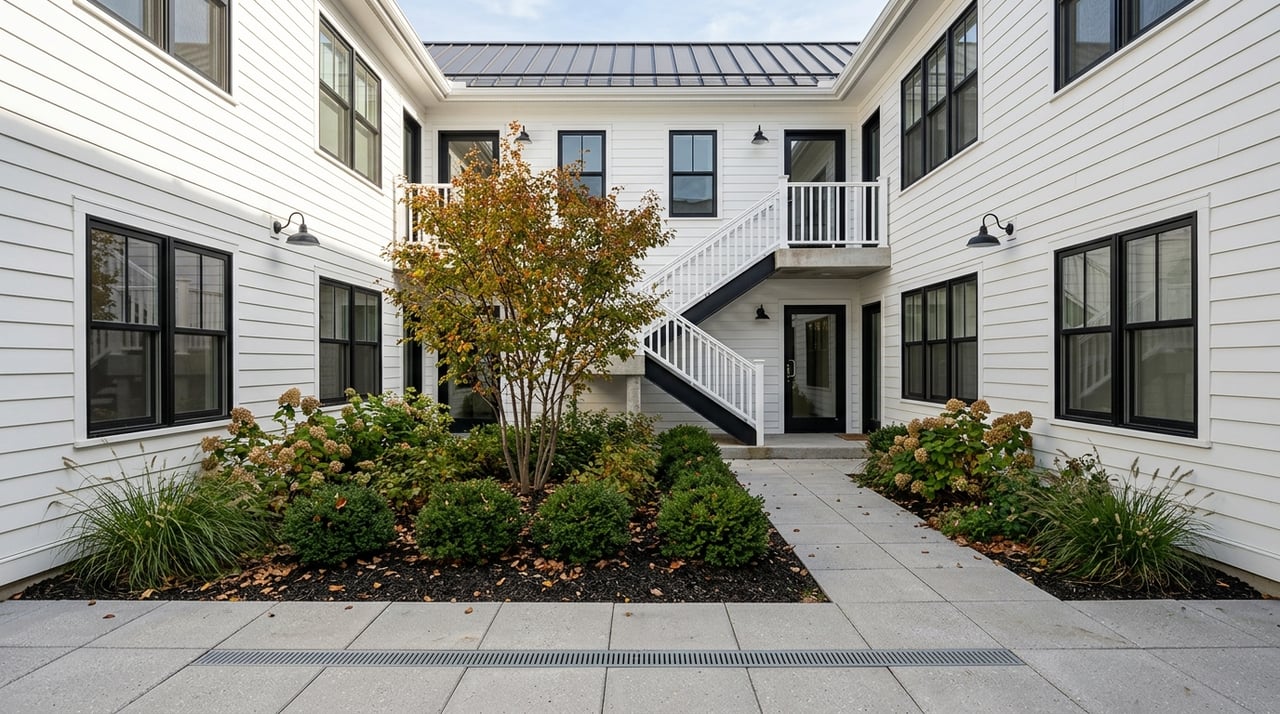
Condos often appeal to buyers who want to be as close as possible to the beach or boardwalk. Local examples show that some of Rehoboth Beach’s premium beach-adjacent inventory is concentrated right on the ocean side of town. The Henlopen sits at the end of Rehoboth’s mile-long boardwalk with direct beach access, and Star of the Sea describes itself as one of the city’s only oceanfront condominium properties at the south end of the boardwalk.
For many buyers, that location is the main draw. If you picture stepping out for a beach walk, reaching the boardwalk in moments, or spending less time thinking about exterior upkeep, a condo can line up well with that lifestyle. This can be especially appealing for second-home buyers who want a simpler lock-and-leave setup.
A condo can also make sense if you want the association to handle more of the shared physical upkeep. Delaware law specifically contemplates repair-and-replacement reserves for condo and cooperative common elements. That is one reason reserve strength and future capital planning should be part of your review when comparing condo options.
Condo advantages to think about
- Closer access to the beach or boardwalk in many cases
- Less exterior upkeep for you to manage directly
- Often a strong fit for second-home use
- May offer a more streamlined ownership experience
Condo questions to ask
- What exactly does the association maintain?
- Are there assigned parking spaces?
- How strong are the reserves?
- Is capital work planned?
- What rules apply to pets, rentals, or use of common areas?
When a townhome may be the better fit
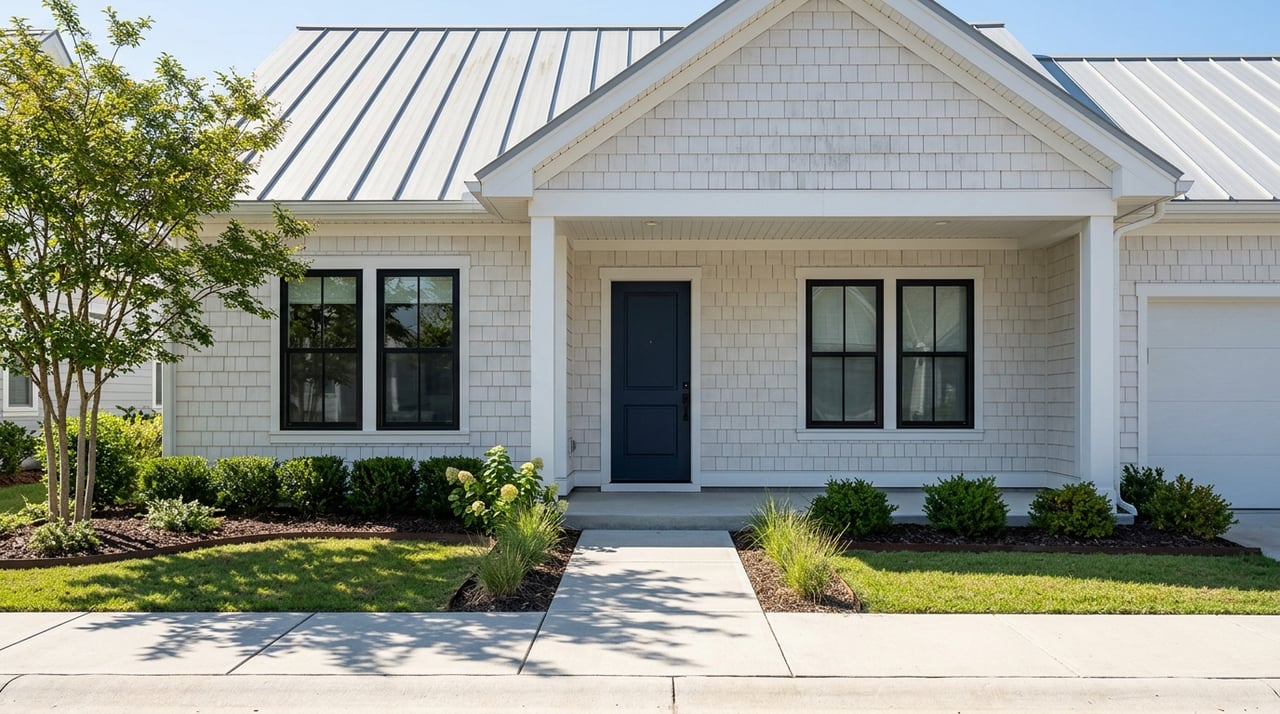
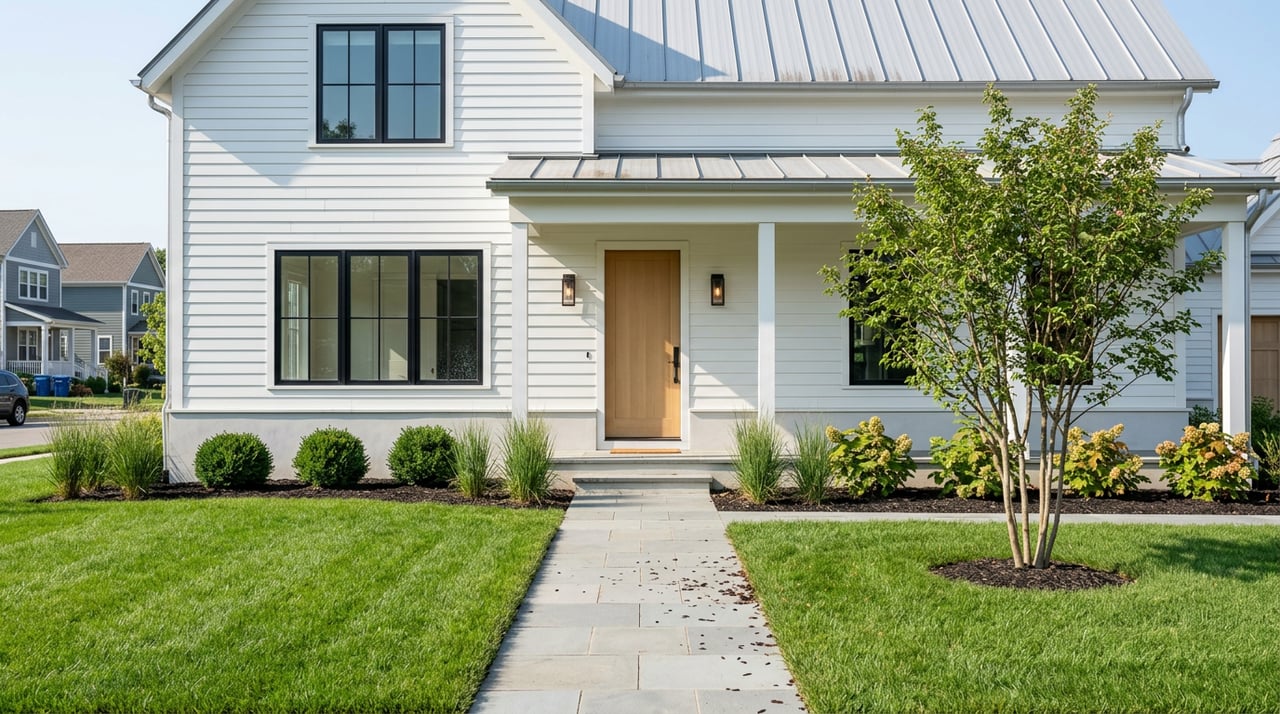
Townhomes often appeal to buyers who want a more private-feeling arrival, more interior space, or more parking flexibility. In a city where summer parking can be a real challenge, a private driveway or garage can be a meaningful advantage. That practical difference becomes even more important if you expect frequent guests or plan to use the property heavily during peak season.
Rehoboth Crossing is a good local example of how townhome living can differ from condo living. The community describes 147 privately owned townhouse residences with private driveways, garage parking, guest parking, and a short stroll to downtown Rehoboth Beach and the boardwalk. For many buyers, that combination of access and parking is a strong middle ground.
A townhome may also feel more comfortable if you want a bit more separation between you and your neighbors. Depending on the community, you may get a more residential arrival experience while still staying close to downtown and the shore. That can be attractive for both full-time owners and seasonal buyers who want room to spread out.
Townhome advantages to think about
- Private driveways or garages may be available
- Often more parking flexibility for owners and guests
- May offer more interior space or a more private feel
- Can provide a balance between beach access and everyday practicality
Townhome questions to ask
- What exterior maintenance is covered by the association?
- Are roofs, siding, and landscaping owner or HOA responsibilities?
- How many parking spaces come with the property?
- Are guest parking rules limited in summer?
- What community rules affect rentals, pets, or exterior changes?
Rehoboth communities can blur the line
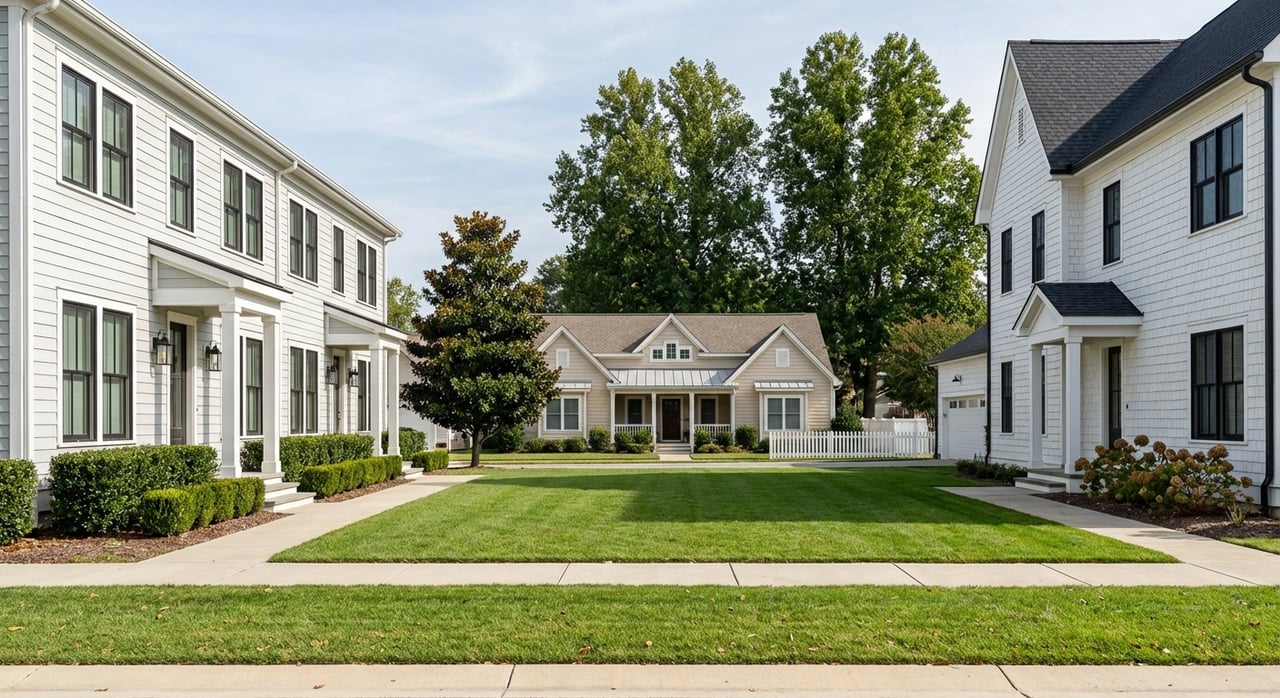
Not every community falls neatly into one category. In Rehoboth Beach, some neighborhoods include a mix of housing types and ownership structures. That means you may be comparing not just condos versus townhomes, but also very different community setups.
The Grande at Canal Pointe is one example. The community says it includes single-family homes, condominium apartments, and townhomes east of Route 1, west of the Lewes and Rehoboth Canal, and less than two miles from the Atlantic Ocean and the boardwalk. In settings like this, your best choice depends less on the product label and more on how the specific property matches your lifestyle.
How location patterns affect your search
In general, the clearest condo cluster is along the oceanfront and boardwalk edge. That pattern makes sense for buyers who want premium beach adjacency and walkability above all else. If your main goal is to stay steps from the sand, condo inventory may naturally dominate your shortlist.
A second pattern is the set of mixed communities and townhouse neighborhoods located a bit farther back from the beach but still close to downtown. These often appeal to buyers who want access to town and the shore without giving up parking or interior living space. In Rehoboth Beach, your search often lands somewhere along that spectrum rather than in a simple one-or-the-other decision.
What to verify before making an offer
The smartest buyers in Rehoboth Beach go beyond the listing photos and monthly dues. They confirm how the property will work in real life during both peak season and the quieter months. That is especially important if you are buying a second home or a property you may use seasonally.
Here are the key items to verify before you move forward:
- Review the declaration, bylaws, and rules
- Confirm what the association maintains and what you maintain
- Check the number and type of parking spaces
- Ask how summer parking works for owners and guests
- Review pet and use restrictions that may affect your routine
- For condos, ask about reserve funding and planned capital projects
- Separate county, city, and HOA costs when budgeting
If you are choosing between two strong options, return to the practical question: which one supports the way you will actually use the property? In Rehoboth Beach, the best fit is often the one that balances beach access, maintenance, parking, and community rules in a way that feels easy for your life.
If you want help sorting through condo and townhome options in Rehoboth Beach, Val Ellenberger can help you compare communities, documents, and day-to-day tradeoffs so you can buy with clarity.
FAQs
What is the difference between a condo and a townhome in Rehoboth Beach?
- In Delaware, a condo is a common-interest community where the common elements are commonly owned by unit owners, while a townhome is often part of a planned community where maintenance and ownership details depend on the governing documents.
Which property type offers better parking in Rehoboth Beach?
- Townhomes often have an advantage when they include private driveways, garages, or guest parking, which can be especially useful during the city’s metered and permit parking season.
Are condos in Rehoboth Beach usually closer to the beach?
- Many of the clearest examples of oceanfront and boardwalk-edge properties in Rehoboth Beach are condominiums, so condos often appeal to buyers who want the shortest walk to the sand.
Do townhomes in Rehoboth Beach have lower maintenance than single-family homes?
- They can, but the answer depends on the planned community’s documents and what the association is responsible for maintaining.
What should buyers review before buying a condo or townhome in Rehoboth Beach?
- You should review the declaration, bylaws, rules, maintenance responsibilities, parking setup, pet and use restrictions, and the full mix of county, municipal, and HOA costs.
Why do condo reserves matter for Rehoboth Beach buyers?
- Delaware law contemplates repair-and-replacement reserves for condo common elements, so reserve strength can affect future assessments, upkeep planning, and buyer confidence at resale.